







Vandalism or civil unrest can leave a business premises exposed almost overnight. Broken windows, damaged doors and forced entry points create immediate risks of further intrusion, weather damage and loss of stock or equipment. Acting quickly reduces those risks and helps limit disruption to trading.
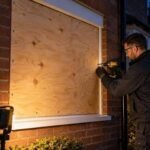
The first priority is to make the building secure again. In many cases this means arranging an emergency boarding up service so that openings can be covered promptly and safely until permanent repairs can be organised.
Assessing the Damage and Prioritising Safety
Before any work begins, check that the site is safe to approach. Broken glass, unstable frames or debris can pose hazards to staff and the public. If there is any chance that intruders remain inside, contact the police and wait for clearance. Once the area is safe, document the damage with clear photographs and notes. This record supports any insurance claim and helps contractors understand the full extent of the work required.
Focus first on openings that allow easy access or leave the interior exposed to the weather. Ground-floor windows, shop fronts and main doors usually take priority. Upper-floor or less accessible damage can often wait until the most vulnerable points are secured.
render_inline_citation documentationrender_inline_citation_id=”2″
Immediate Steps to Secure the Premises
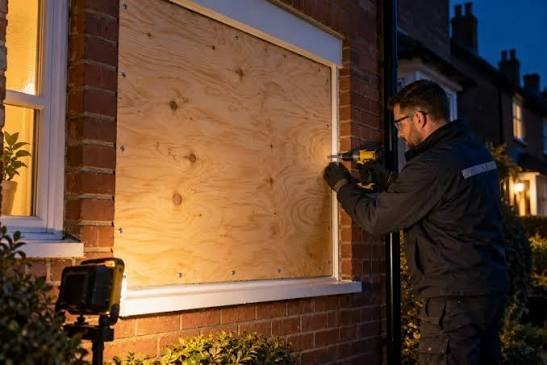
Clear any loose glass carefully and mark off the area if needed. Temporary measures such as plastic sheeting can keep rain out for a short time, but they offer little protection against further forced entry. A proper boarding solution uses sturdy panels fixed securely to the frame or surrounding structure. These boards create a physical barrier while still allowing later removal without unnecessary extra damage.
Where possible, choose a method that protects the existing frames. Temporary sub-frames or non-destructive fixing techniques help avoid turning a simple glazing repair into a larger replacement job later. Safety film can also be applied to cracked but still intact glass to hold fragments in place until the glass can be replaced.
The Value of a Professional Emergency Boarding Up Service
A professional emergency boarding up service brings the right materials and experience to the site quickly. Teams familiar with commercial properties understand the need to maintain access for staff or emergency services where possible, and they can fit temporary doors if required. Standard boards are typically substantial enough to deter casual entry, with thicker options available for higher-risk locations.
Speed matters. The longer openings remain unsecured, the greater the chance of additional damage or theft. Many specialist providers operate around the clock so that work can start outside normal hours if necessary. Once the building is boarded, the same team or a related contractor can often arrange permanent glazing repairs, reducing the number of separate appointments needed.
Practical Factors Businesses Should Consider
When arranging temporary protection, several practical points help keep the process smooth:
- Confirm response times and whether the provider covers commercial premises as well as domestic ones.
- Ask what thickness and type of board will be used and whether temporary access doors can be fitted.
- Check that the method of fixing will not damage frames that are otherwise sound.
- Ensure clear communication about access arrangements, especially if the site is multi-tenanted or has restricted entry.
- Keep records of all work carried out for insurance and future maintenance reference.
These details reduce the risk of delays or unexpected costs once the immediate crisis has passed.
Insurance, Documentation and Next Steps
Most commercial policies expect the policyholder to take reasonable steps to mitigate further loss. Prompt boarding helps demonstrate that duty. Share photographs and contractor reports with the insurer as soon as practical. Some policies also require notification within a set period after an incident, so check the wording early.
After the building is secure, plan the permanent repairs. This may involve matching existing glazing specifications, ordering specialist glass for shop fronts, or coordinating with other trades if structural work is needed. Keeping the boarded areas clean and well maintained in the meantime reduces the chance of secondary problems such as water ingress or further vandalism.
Longer-Term Measures to Reduce Future Risk
While boarding solves the immediate problem, businesses can take steps that make the premises less attractive targets in future. These include improved external lighting, CCTV coverage of vulnerable elevations, and regular checks of locks and alarm systems. For high-street locations, laminated or impact-resistant glass can raise the effort required for a smash-and-grab attempt. Reviewing security arrangements after an incident often reveals straightforward improvements that lower the likelihood of a repeat event.
Conclusion
Protecting a business premises after vandalism or civil unrest starts with rapid assessment and secure covering of damaged openings. An emergency boarding up service provides the practical means to restore security quickly and reduce the chance of additional losses while permanent repairs are arranged.
Once the building is safe, focus on accurate documentation, insurance notification and planning the lasting glazing or structural work. Combining prompt temporary measures with thoughtful longer-term improvements helps businesses recover with less disruption and greater resilience.