








A reception area often shapes someone’s first impression of an organisation long before a conversation begins.
Visitors notice the furniture, lighting, photographs and branding, but they also notice what the organisation chooses to put on display. For schools, sports clubs, associations and businesses, awards can provide an immediate visual indication of history, accomplishment and pride.
Used thoughtfully, a trophy display cabinet can therefore become much more than somewhere to store cups and plaques.
Let Achievements Tell the Story
Marketing materials can explain what an organisation has accomplished, but physical awards offer something different.
They provide visible evidence of important moments.
A football club might display league cups collected over several generations. A school may showcase awards from sport, music, debating and academic competitions. A business could present industry recognition alongside certificates and commemorative items.
When these pieces are grouped together properly, visitors can understand part of the organisation’s story without needing someone to explain it.
That makes trophy displays particularly effective in reception areas where guests may spend a few minutes waiting.
Avoid the Cluttered Shelf Effect
Simply putting several awards on top of a cupboard rarely creates the same impression.
Open shelves can quickly become crowded, especially as new trophies are added. Smaller items may disappear behind larger cups, and the overall display can gradually begin to feel untidy.
A dedicated cabinet gives the collection a defined space.
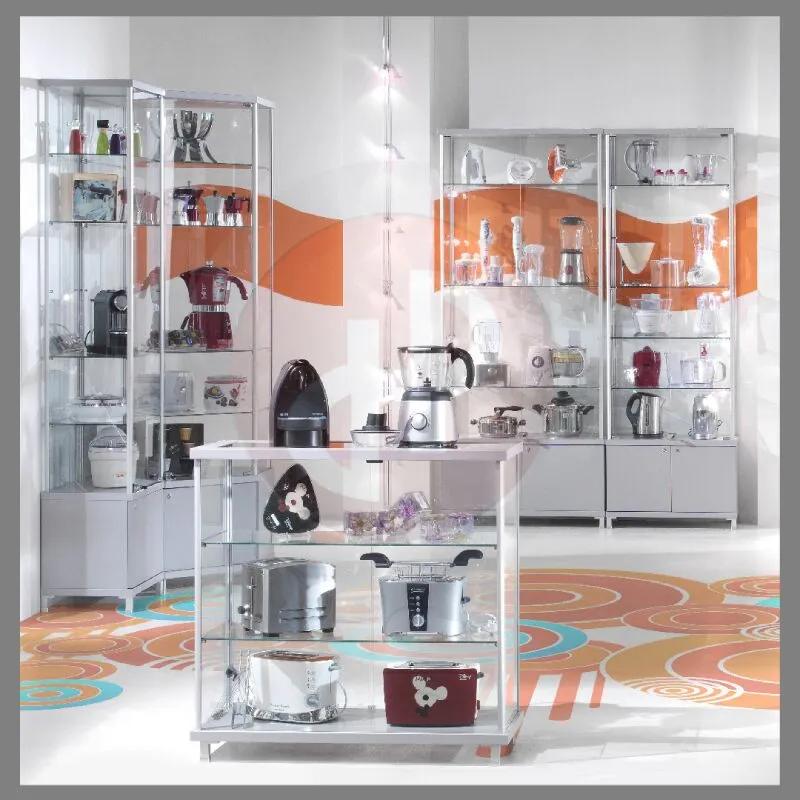
Glass allows trophies to remain clearly visible while keeping the presentation visually light. It also helps separate awards from everyday reception items such as brochures, paperwork and equipment.
Rather than competing with the room, the collection becomes an intentional design feature.
Arrange Awards With Breathing Space
One of the easiest mistakes is trying to fill every centimetre of available shelving.
A little empty space can actually make individual awards more noticeable.
Place larger trophies where they can be viewed clearly and use smaller items to create balanced groups around them. Avoid arranging everything strictly according to height unless the result looks natural.
You could also divide the collection into themes.
For example, historic awards can occupy one section while recent achievements are displayed separately. If the organisation competes across several categories, grouping awards accordingly makes the cabinet easier to explore.
Use Lighting Carefully
Trophies are particularly suited to illuminated displays because metal, polished surfaces and glass details respond well to light.
Subtle lighting can pick out engraving and shapes that might otherwise disappear inside a darker cabinet.
However, more light is not always better.
The objective should be to make the collection easy to see rather than creating an excessively bright feature. LED lighting is commonly used within modern display cabinets because it can provide focused illumination without bulky fittings.
Consider the reception area’s existing lighting before deciding how much additional illumination is required.
Balance Security With Accessibility
Reception areas are normally accessible to plenty of people, which makes protection important.
A glass cabinet can prevent casual handling while still allowing close inspection of the collection. Lockable doors may be worth considering when trophies are valuable, historically significant or difficult to replace.
Toughened safety glass is another practical feature for cabinets positioned in busy public environments.
Specialist display suppliers such as Planet Display offer cabinets intended for trophy, retail and collection displays, with a variety of formats suited to different interiors.
Give Future Success Somewhere to Go
Perhaps the most useful feature of a good trophy display cabinet is that it can grow with the organisation.
Leaving some available shelf space is not a sign that the cabinet is unfinished. It represents room for the next competition, award or achievement.
Over time, a thoughtfully arranged display can become part of the organisation’s identity. Long standing members recognise trophies they helped win, new members see what came before them, and visitors immediately understand that achievement matters there.
A reception area should say something about the people behind the organisation. Displaying the moments they are proudest of is a simple and effective place to start.