








In a highly competitive business landscape, commercial interior design is far more than choosing colours and furniture. It is a strategic investment that shapes how employees work, how customers perceive your brand, and how efficiently your business operates. For companies in Newcastle and the wider North East, professionally designed commercial interiors can improve productivity, strengthen brand identity, and create memorable experiences that set businesses apart.
What Is Commercial Interior Design?
Commercial interior design focuses on planning, designing, and delivering interior spaces used for business purposes. Unlike residential design, commercial projects must balance aesthetics with functionality, compliance, brand messaging, and user experience.
Common commercial interior design projects include:
- Offices and corporate workspaces
- Retail stores and showrooms
- Restaurants, cafés, and bars
- Hotels and hospitality venues
- Healthcare and wellness facilities
- Educational and public-sector buildings
- Co-working and mixed-use spaces
A well-designed commercial space does more than look impressive. It supports business goals by improving workflow, enhancing customer engagement, and creating environments where people feel comfortable and inspired.
Why Commercial Interior Design Matters for Newcastle Businesses
Newcastle is a thriving business hub with a dynamic mix of industries, from technology and finance to hospitality and retail. As the city continues to grow and attract investment, businesses need spaces that reflect modern expectations and evolving workplace trends.
1. Enhances Brand Identity
Your interior space is a physical extension of your brand. Clients and customers form impressions within seconds of entering your premises. A thoughtfully designed environment communicates professionalism, creativity, and trustworthiness.
For example:
- A sleek, modern office can reinforce innovation and efficiency.
- A warm, inviting café interior can encourage customers to stay longer and return frequently.
- A luxury retail showroom can elevate perceived product value.
Commercial interior design ensures that every element—from layout and lighting to materials and furnishings—aligns with your brand values and target audience.
2. Improves Employee Productivity and Wellbeing
The workplace environment has a direct impact on employee performance, satisfaction, and retention. Poor lighting, cramped layouts, and uninspiring surroundings can reduce morale and productivity.
Modern commercial interior design prioritises:
- Ergonomic furniture and workstations
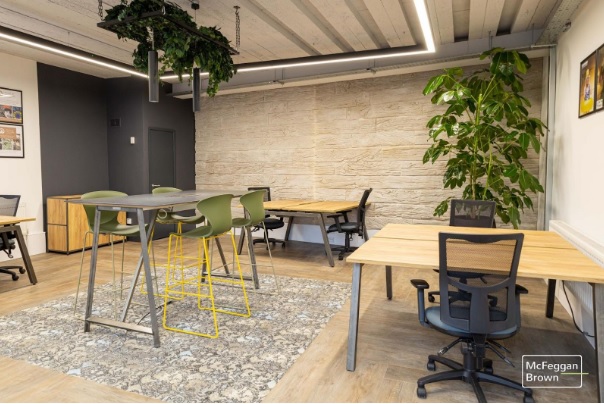
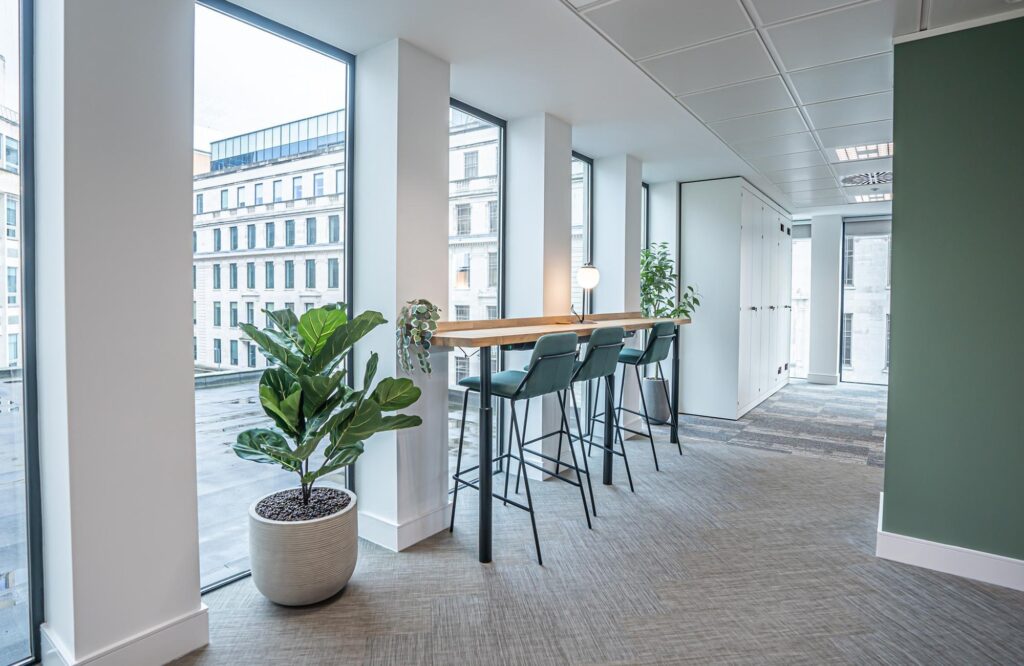
- Natural light and biophilic design
- Flexible collaboration areas
- Acoustic comfort and privacy
- Wellness-focused spaces for relaxation and focus
Research consistently shows that employees perform better in environments designed with comfort, functionality, and wellbeing in mind.
3. Maximises Space Efficiency
Whether you operate from a compact city-centre office or a large commercial premises, efficient space planning is essential. Professional designers analyse how people move through and use a space to create layouts that optimise functionality and flow.
This can include:
- Reducing wasted space
- Improving traffic flow
- Creating multi-functional areas
- Enhancing storage solutions
- Supporting hybrid and flexible working models
For Newcastle businesses facing rising property costs, making the most of every square metre is a significant advantage.
4. Creates Memorable Customer Experiences
In sectors such as retail, hospitality, and leisure, customer experience is everything. Interior design plays a crucial role in shaping emotions, behaviours, and purchasing decisions.
Strategic design elements can:
- Encourage longer dwell times
- Guide customer movement through a space
- Highlight key products or services
- Create Instagram-worthy environments that boost social sharing
- Foster comfort, trust, and loyalty
A beautifully designed commercial interior can become a powerful marketing tool in its own right.
Key Trends in Commercial Interior Design for 2026
Commercial design continues to evolve rapidly, driven by changes in technology, sustainability, and workplace culture. Businesses in Newcastle looking to future-proof their spaces should consider the following trends:
Sustainable and Eco-Friendly Design
Sustainability is no longer optional—it is a business expectation. Eco-conscious commercial interiors use:
- Recycled and sustainable materials
- Energy-efficient lighting and systems
- Low-VOC paints and finishes
- Furniture with ethical sourcing credentials
- Designs that reduce energy consumption and waste
Sustainable interiors not only benefit the environment but also appeal to environmentally aware customers and employees.
Biophilic Design
Biophilic design incorporates natural elements into interior spaces to improve wellbeing and productivity. Popular features include:
- Indoor plants and living walls
- Natural materials such as wood and stone
- Maximised daylight
- Nature-inspired colours and textures
- Views of outdoor spaces
This approach creates calmer, healthier environments that support mental wellbeing.
Flexible and Hybrid Workspaces
The rise of hybrid working has transformed office design. Businesses now need spaces that support both collaboration and focused individual work.
Modern office interiors often include:
- Hot-desking areas
- Informal meeting lounges
- Private focus pods
- Technology-integrated conference rooms
- Adaptable furniture systems
Flexibility allows businesses to respond to changing workforce needs while maximising office utilisation.
Technology-Integrated Interiors
Smart technology is becoming a core component of commercial design. Integrated systems can improve efficiency, comfort, and user experience through:
- Smart lighting and climate control
- Digital signage and wayfinding
- Wireless charging and connectivity
- AV solutions for meetings and presentations
- Automated building management systems
Seamlessly integrating technology into the design creates modern, future-ready spaces.
The Commercial Interior Design Process
A successful commercial interior project requires careful planning and collaboration. While every project is unique, the process typically includes the following stages:
1. Discovery and Consultation
The designer begins by understanding your business, goals, brand identity, budget, and operational needs. This stage often involves site visits, stakeholder meetings, and discussions about how the space will be used.
2. Space Planning and Concept Design
Designers develop initial concepts and layouts that optimise functionality and flow. This includes:
- Floor plans and zoning
- Furniture layouts
- Circulation planning
- Initial aesthetic direction and mood boards
3. Detailed Design Development
Once the concept is approved, the design is refined with detailed specifications for:
- Materials and finishes
- Lighting design
- Furniture and fixtures
- Colour palettes
- Joinery and custom elements
- Technical drawings and compliance requirements
4. Project Coordination and Delivery
The design team coordinates with contractors, suppliers, and trades to ensure the project is delivered on time and within budget. Effective project management is essential to minimise disruption to business operations.
5. Installation and Styling
The final stage involves installing furniture, artwork, accessories, and finishing touches that bring the design vision to life. The result is a cohesive, functional space ready for use.
Choosing the Right Commercial Interior Designer in Newcastle
Selecting the right design partner is critical to the success of your project. When evaluating commercial interior designers in Newcastle, consider the following:
Experience and Portfolio
Look for a designer with experience in your industry and a portfolio that demonstrates versatility, creativity, and successful project delivery.
Understanding of Business Needs
A strong commercial designer should understand that the project is not just about aesthetics. They should be able to align design decisions with your business objectives, operations, and target audience.
Project Management Capability
Commercial projects involve multiple stakeholders, contractors, and timelines. Choose a designer with proven project management skills to ensure a smooth and efficient process.
Local Knowledge
A Newcastle-based designer brings valuable knowledge of local suppliers, contractors, regulations, and market trends. This can help streamline the project and ensure the design resonates with the local business environment.
Clerey Interiors: Commercial Interior Design in Newcastle
Why Work with Clerey Interiors?
- Tailored Design Solutions: Every project is customised to reflect the client’s brand, culture, and operational requirements.
- Local Expertise: Based in Newcastle, Clerey Interiors understands the unique character and business landscape of the North East.
- End-to-End Service: From initial concept through to project completion, the team manages every stage of the design process.
- Focus on Functionality and Style: Designs are created to be visually striking while remaining practical, efficient, and user-focused.
- Commitment to Quality: Attention to detail, high-quality materials, and strong supplier relationships ensure exceptional results.
Whether you are refurbishing an office, launching a new hospitality venue, or transforming a retail space, Clerey Interiors provides expert guidance and creative solutions that help businesses thrive.
Benefits of Investing in Professional Commercial Interior Design
Businesses sometimes view interior design as a cosmetic expense, but the return on investment can be substantial.
Increased Productivity
Well-designed workplaces can improve employee efficiency, collaboration, and morale.
Stronger Brand Perception
A professional interior creates a positive first impression and reinforces brand credibility.
Higher Customer Engagement
Attractive, comfortable spaces encourage customers to spend more time—and often more money—in your business.
Better Space Utilisation
Optimised layouts reduce inefficiencies and make the most of your commercial property investment.
Long-Term Cost Savings
Thoughtful design can improve energy efficiency, reduce maintenance costs, and create adaptable spaces that remain functional for years to come.
Final Thoughts
Commercial interior design is a powerful tool for businesses looking to enhance their environment, strengthen their brand, and support long-term growth. In a vibrant city like Newcastle, where businesses compete for talent and customer attention, a well-designed commercial space can make a lasting impact.
From offices and retail stores to hospitality venues and mixed-use developments, professional interior design transforms spaces into strategic assets that inspire people and drive business success.
For businesses seeking expert commercial interior design in Newcastle, Clerey Interiors offers the creativity, experience, and local expertise needed to deliver exceptional results tailored to your unique vision and goals.
Frequently Asked Questions
What is the difference between commercial and residential interior design?
Commercial interior design focuses on business environments and prioritises functionality, branding, compliance, and user experience, while residential design is centred on private homes and personal lifestyles.
How long does a commercial interior design project take?
Project timelines vary depending on the size and complexity of the space. A small office refresh may take a few weeks, while a full commercial fit-out can take several months.
Can commercial interior design improve employee wellbeing?
Yes. Features such as ergonomic furniture, natural light, biophilic elements, and well-planned layouts can significantly improve comfort, wellbeing, and productivity.
Is sustainable commercial interior design more expensive?
While some sustainable materials may have higher upfront costs, energy-efficient systems and durable design choices often lead to long-term savings and reduced operational costs.
Why choose a Newcastle-based commercial interior designer?
A local designer offers knowledge of regional trends, suppliers, contractors, and regulations, helping to create designs that are both practical and relevant to the Newcastle business environment.