







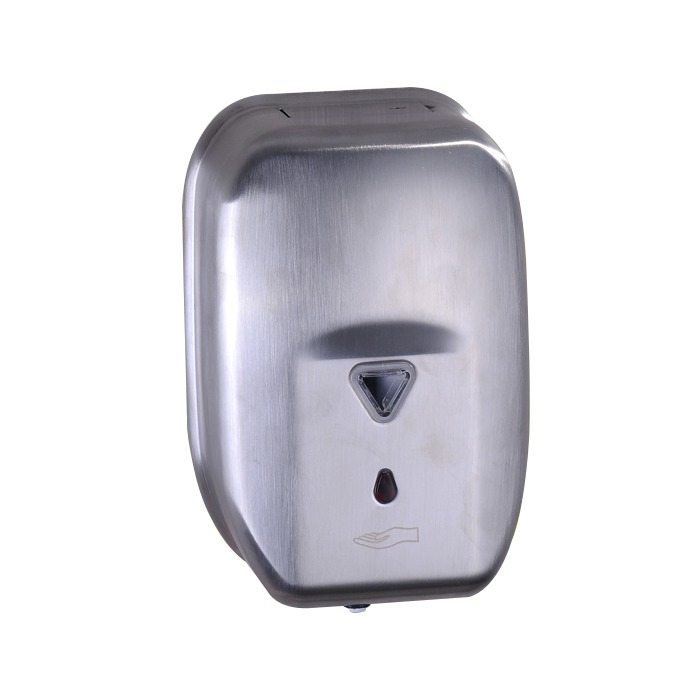
Hand hygiene has become an essential part of maintaining clean, safe, and professional environments. From hotels and restaurants to offices, hospitals, schools, shopping centers, and public facilities, businesses are increasingly moving toward touchless hygiene solutions. Among these, automatic soap dispensers offer a practical way to improve handwashing while reducing unnecessary contact with shared surfaces.
An automatic soap dispenser supplier plays an important role in helping businesses choose dispensing systems that match their hygiene requirements, space, usage levels, and budget.
Why Automatic Soap Dispensers Are Becoming Popular
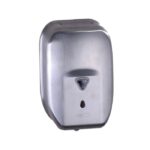
Traditional soap dispensers require users to touch a pump or button, which can create another shared contact point in busy washrooms. Automatic models use sensor technology to detect the user’s hands and release soap without physical contact. This touch-free operation can help minimize cross-contamination and create a more hygienic user experience.
Another advantage is controlled dispensing. Instead of repeatedly pressing a pump, users receive a measured amount of liquid or foam soap. This can help reduce excessive soap consumption and minimize wastage, particularly in high-traffic facilities.
What to Look for in a Supplier
When selecting an automatic soap dispenser supplier, product quality should be one of the first considerations. A reliable supplier should offer dispensers made from durable materials that can withstand frequent daily use. Heavy-duty ABS models, for example, are available for demanding commercial environments, while other designs may focus on premium finishes and modern aesthetics.
Capacity is another important factor. Small dispensers may work well in homes or low-traffic offices, whereas hotels, hospitals, airports, restaurants, and other busy facilities may benefit from larger reservoirs that require less frequent refilling. Some commercial models offer capacities around 1,000 ml or more.
Buyers should also consider dispensing flexibility. Depending on the model, automatic systems may support liquid soap, foam, gel, or sanitizing solutions. Certain dispensers are designed with interchangeable nozzle options, providing greater versatility for different hygiene applications.
Suitable for Different Commercial Environments
Automatic soap dispensers are useful across a wide range of settings. In hotels and restaurants, they contribute to a cleaner and more modern washroom experience. In offices and educational institutions, touchless dispensing can encourage better hygiene practices among employees and visitors.
Healthcare facilities have particularly demanding hygiene requirements, making hands-free dispensing a valuable addition to washroom and sanitization areas. Similarly, shopping centers, factories, gyms, and public facilities can benefit from durable dispensers designed for frequent use.
Consider Maintenance and Installation
A good dispensing system should not only be convenient for users but also practical for facility managers. Battery-operated models can simplify installation because they may not require complex electrical wiring. Some units also include transparent viewing areas that make it easier for maintenance staff to monitor the remaining product level.
Security features can also be useful in commercial environments. For example, certain models include lockable covers to help prevent unauthorized access or tampering.
Making a Smarter Hygiene Investment
Choosing an automatic soap dispenser is about more than selecting a convenient bathroom accessory. The right system can support better hygiene practices, control soap consumption, improve user experience, and contribute to a cleaner-looking facility.
Businesses should compare capacity, material, sensor performance, dispensing options, power requirements, installation method, durability, and after-sales support before making a purchase. Working with an experienced automatic soap dispenser supplier such as Bosin & Sterb can make this process easier by providing suitable options for different environments and usage requirements.
As touchless technology continues to become a standard feature in modern hygiene facilities, investing in dependable automatic dispensing solutions can be a practical step toward creating safer, cleaner, and more efficient spaces.