









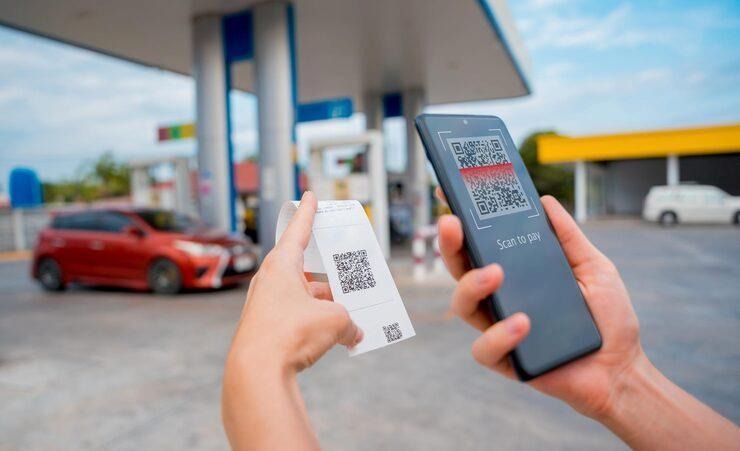
Fuel costs can quietly drain business budgets when left unchecked. Fuel cards transform everyday fuel purchases into clear, trackable data—bringing structure, visibility, and tighter control to company spending. With accurate monitoring, reduced waste, and simplified reporting, organisations can manage fuel use more efficiently and make informed decisions with confidence.
Fuel spending is one of the most persistent operational costs for organisations that rely on vehicles. Without clear oversight, small inefficiencies add up fast. Fuel card management services provide a structured approach to tracking fuel usage, recording transactions, and maintaining control across fleets of any size. A well-managed tracking system removes guesswork. Every purchase is logged. Every litre is accounted for. As a result, decision-makers gain reliable data to support planning, budgeting, and day-to-day management.
Fuel cards are not simply payment tools. They act as data points that capture fuel behaviour across vehicles, drivers, and routes. When used correctly, they create a clear picture of how fuel is consumed over time.
Why Accurate Fuel Tracking Is Essential
Tracking fuel usage is not about micromanagement. It is about visibility and accountability. When fuel data is clear and consistent, organisations can understand where money is going and why.
Accurate tracking helps to:
- Identify unusual fuel consumption patterns
- Maintain consistency in fuel spending
- Support internal audits and reporting
- Improve planning for future costs
Without tracking, fuel expenses remain reactive. With tracking, they become predictable and manageable.
How Fuel Cards Enable Accurate Monitoring
Fuel cards link each transaction to a specific vehicle or driver. This removes ambiguity from fuel records. Instead of relying on paper receipts or estimates, organisations receive structured digital records.
- Centralised Transaction Records
All fuel purchases are captured in one system. Date, time, location, and quantity are recorded automatically. This centralisation reduces errors and saves administrative time.
- Consistent Data Collection
Manual logging often leads to gaps. Fuel cards standardise data collection, ensuring every transaction follows the same format. This consistency improves accuracy and trust in the data.
- Reduced Administrative Burden
By removing manual receipt handling, fuel cards simplify record keeping. Teams spend less time reconciling expenses and more time analysing useful information.
Gaining Visibility Across Vehicles and Drivers
Fuel usage data becomes more valuable when viewed across the entire operation. Fuel cards allow organisations to compare consumption trends between vehicles or over specific periods.
This visibility supports:
- Early detection of inefficiencies
- Better scheduling and resource allocation
- Clear internal reporting structures
Patterns that once stayed hidden become visible. That insight supports informed action rather than assumptions.
Supporting Budget Control and Forecasting
Fuel prices fluctuate, and usage patterns change over time. Consistent tracking allows organisations to respond with confidence rather than react under pressure. Historical fuel data provides a reliable baseline, enabling budgets to be built on actual usage instead of estimates. Clear and accurate records also support forward planning, helping organisations prepare for shifts in demand or operational growth. Over time, this structured approach creates greater stability in fuel cost planning and strengthens overall financial control.
Strengthening Compliance and Internal Controls
Clear fuel records support compliance with internal policies and financial controls. Every transaction can be reviewed against expected usage.
This structured approach:
- Supports internal reviews
- Simplifies financial reconciliation
- Reduces the risk of misuse
Accountability becomes part of the system rather than an added task.
Making Fuel Data Easy to Understand
Fuel data only delivers value when it is easy to interpret. Fuel tracking systems linked to cards present information in clear, simple formats that support quick understanding. Well-structured reports allow managers to review fuel usage without technical expertise, making trends easier to identify and explain. Regular access to this data also supports routine reviews, encouraging ongoing improvement rather than one-off corrections. When information is presented clearly, raw fuel data becomes practical insight that supports better decisions.
Encouraging Responsible Fuel Behaviour
When fuel usage is visible, behaviour naturally becomes more consistent. Clear tracking encourages responsible purchasing and adherence to internal guidelines.
This does not require constant oversight. The system itself promotes better habits by making fuel use transparent and measurable.
Over time, this supports a culture of responsibility rather than restriction.
Integrating Fuel Tracking Into Daily Operations
Fuel tracking works best when it fits naturally into existing processes. Fuel cards integrate smoothly into daily routines without disrupting workflows.
Drivers use a familiar method. Managers receive structured data. Finance teams gain reliable records. Each role benefits without added complexity.
This simplicity is key to long-term adoption.
Conclusion:
Tracking fuel usage with fuel cards brings clarity to one of the most challenging operational costs. Instead of relying on assumptions, organisations gain access to consistent, structured information that supports better decisions. From improved budgeting to stronger internal controls, the benefits extend across departments. When fuel data is clear, planning becomes easier and accountability improves naturally. Over time, this approach supports stability, efficiency, and confidence in fuel management strategies. By using fuel card management services as a tracking tool rather than just a payment method, organisations can move from reactive spending to informed control, ensuring fuel usage remains transparent, manageable, and aligned with operational goals.