









In modern mining, the right crushing equipment shapes productivity, safety, and product quality. From reducing oversized rock to delivering consistent aggregates, impact crushing has earned its place. Understanding how this technology works helps operators make informed decisions that balance efficiency, cost control, and long-term operational reliability.
Introduction: Why Impact Crushing Matters
Mining operations rely on efficient size reduction to keep material moving smoothly through processing stages. The HSI Crusher plays a central role here, using high-speed impact rather than pressure to break rock. This approach is especially valuable where shape, consistency, and controlled output size are priorities. For a general audience, it helps to think of impact crushing as controlled shattering rather than squeezing—fast, precise, and adaptable.
What Is an HSI Crusher?
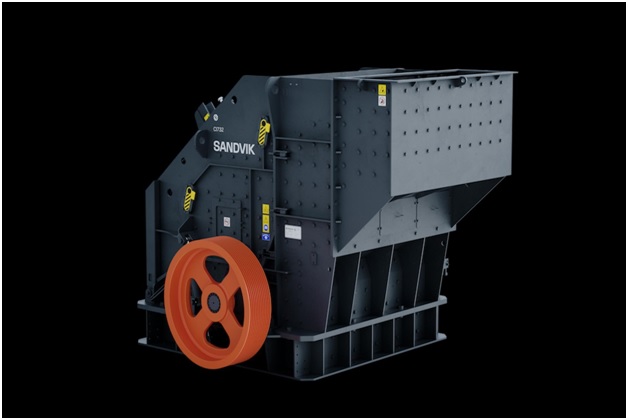
An HSI, or horizontal shaft impact crusher, is a machine that uses a rapidly spinning rotor fitted with impact bars. As material enters the chamber, it is struck by these bars and thrown against breaker plates, where it fractures into smaller pieces. The horizontal rotor orientation allows for high reduction ratios and uniform output.
How the Crushing Process Works
Material enters from the top, meets the spinning rotor, and is accelerated outward. Repeated impacts break it down until it reaches the desired size and exits the crusher. Adjustable breaker plates control the final product size, making the process flexible without complex changes.
Key Features That Set It Apart
HSI crushers are designed with simplicity and performance in mind. Their features support both productivity and ease of use.
● Rotor and Impact Bars
The rotor is the heart of the machine. Its speed and balance determine crushing efficiency. Impact bars are engineered to withstand repeated high-force contact, helping maintain consistent performance over long operating hours.
● Adjustable Crushing Zones
Operators can fine-tune output size by adjusting breaker plates. This flexibility reduces the need for additional screening or reprocessing stages.
● Compact and Accessible Design
Many HSI units are designed for straightforward maintenance. Easy access to wear parts shortens downtime, which is critical in continuous mining operations.
Advantages for Mining Operations
HSI crushers offer a blend of operational and economic benefits that appeal to a wide range of mining setups.
1. High Reduction Ratios
Impact crushing can reduce large feed material into smaller, usable sizes in a single pass. This efficiency can simplify plant layouts.
2. Consistent Product Shape
Because material breaks along natural fracture lines, the output tends to be more cubical. This is especially valuable for aggregates used in construction.
3. Energy Efficiency
Compared to some compression-based crushers, impact crushers can achieve desired size reduction with less energy per tonne, particularly on softer to medium-hard materials.
4. Operational Flexibility
HSI units handle varying feed sizes and materials, allowing operators to adapt to changing site conditions without major equipment changes.
Common Uses in Mining
HSI crushers are versatile and suited to several stages of material processing.
Primary and Secondary Crushing
In softer rock applications, they can act as primary crushers. More commonly, they are used in secondary stages to refine material after initial size reduction.
Aggregate Production
Mining operations producing aggregates value the consistent shape and gradation that impact crushing delivers.
Recycling and Reprocessing
HSI technology is also effective in processing recycled material, where controlled impact helps separate and reduce mixed feedstock.
Practical Considerations Before Choosing One
Selecting the right crusher requires understanding both material and operational goals.
- Feed material hardness and abrasiveness
- Desired output size and shape
- Required throughput and capacity
- Maintenance access and wear part availability
Placing the HSI Crusher at the correct stage in the processing flow ensures it delivers maximum value rather than becoming a bottleneck.
Actionable Tips for Better Results
To get the most from impact crushing, keep these points in mind:
- Match crusher type to material: Impact crushing works best on softer to medium-hard rock.
- Monitor wear parts regularly: Timely replacement maintains product quality and efficiency.
- Adjust settings thoughtfully: Small changes to breaker plates can significantly affect output.
- Balance feed consistency: Even material flow reduces stress on the rotor and improves lifespan.
In Closing: Making Impact Crushing Work for You
Choosing the right crushing solution is about more than machinery—it is about aligning equipment with long-term operational goals. Impact crushing stands out for its balance of efficiency, flexibility, and product quality. When properly selected and maintained, it supports smoother workflows, predictable output, and better use of energy and resources. The HSI Crusher is particularly valuable where consistent sizing and adaptable performance matter most. For mining teams, understanding how and where to apply this technology leads to clearer planning and smarter investment decisions. By focusing on material characteristics, maintenance discipline, and correct placement within the processing chain, operators can turn impact crushing into a dependable advantage rather than a variable cost. The next step is to evaluate your material flow and consider whether impact-based crushing aligns with your production priorities.