









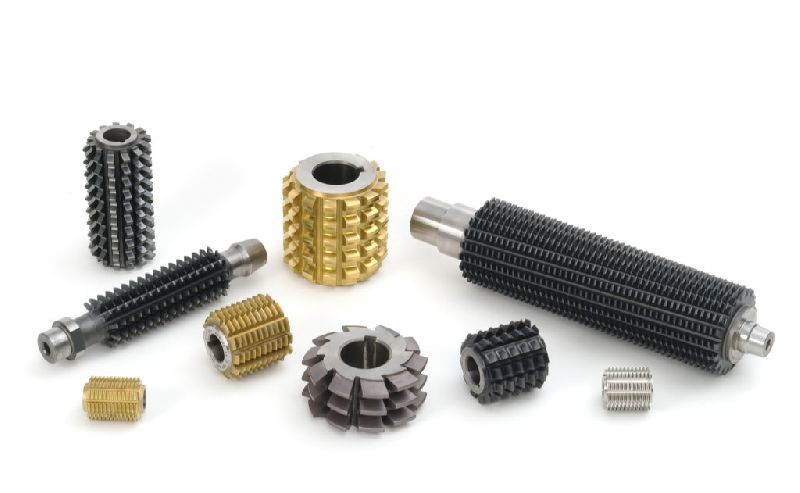
Gear hobbing remains one of the most efficient and accurate methods for producing gears in medium and high volumes. Whether for automotive transmissions, industrial reducers, or agricultural machinery, the quality of a gear largely depends on the performance of the hob used to cut it. For manufacturers, choosing the right gear hob suppliers and evaluating the true gear hob cutter price are critical decisions that directly affect productivity and profitability.
Why Gear Hobs Are Essential to Modern Manufacturing
A gear hob is a precision cutting tool designed to generate gear teeth through a continuous indexing process. Unlike form milling, hobbing creates gears progressively, allowing excellent accuracy, repeatability, and surface finish. Because of these advantages, most commercial spur and helical gears around the world are produced using hobs.
However, not all hobs are created equal. Variations in material grade, heat treatment, geometry, and coating can significantly influence tool life and gear quality. This is why partnering with experienced gear hob suppliers is just as important as owning advanced hobbing machines.
What to Look for in Gear Hob Suppliers
The market includes many tooling vendors, but only a few possess the technical depth required for demanding gear production. When evaluating gear hob suppliers, manufacturers should consider several factors:
- Product Range – A capable supplier should offer a wide selection of module/DP sizes, pressure angles, single-start and multi-start hobs, as well as special profiles for splines, sprockets, and worm wheels.
- Manufacturing Standards – International quality norms such as DIN, AGMA, and ISO compliance ensure that the hob geometry will generate gears within the required tolerance class.
- Material Expertise – Suppliers must understand which substrate—HSS, PM-HSS, or carbide—is best suited for the customer’s work material and cutting conditions.
- Coating Options – Modern coatings like TiN, TiAlN, and AlCrN greatly extend tool life. Reputable suppliers provide guidance on the most economical option.
- Technical Support – Assistance with cutting parameters, troubleshooting, and re-sharpening services adds long-term value beyond the initial purchase.
Companies such as those featured on sstools.net demonstrate how specialized gear hob suppliers can combine product variety with application knowledge to support both small workshops and large OEMs.
Understanding Gear Hob Cutter Price
One of the most common questions from buyers is how to judge the gear hob cutter price. Prices in the market can vary widely, and the cheapest option is rarely the most economical in real production. Several elements influence the cost:
- Material Grade: Powder metallurgy HSS or carbide hobs cost more than conventional HSS but deliver much longer life.
- Accuracy Class: Higher DIN/AA class hobs require precision grinding and inspection, increasing price.
- Module/DP Size: Larger or special-profile hobs involve more material and complex manufacturing.
- Coating Type: Advanced PVD coatings add to the initial cost while reducing wear.
- Brand and After-Sales Service: Established gear hob suppliers include technical backing and reliable consistency.
To evaluate gear hob cutter price correctly, manufacturers should calculate the cost per gear rather than the purchase price alone. A premium hob that runs twice as long and produces better finish often becomes the most economical choice.
Types of Gear Hobs Available
Professional gear hob suppliers typically provide multiple categories to suit different applications:
- Standard Spur and Helical Hobs – For general power transmission gears
- Multi-Start Hobs – Higher productivity for large batches
- Spline and Serration Hobs – Used in automotive shafts
- Worm Wheel Hobs – For precision worm gear sets
- Carbide Hobs – Ideal for hardened materials and high-speed cutting
- Pre-shaving and Pre-grinding Hobs – Designed for finishing processes
Selecting the correct type ensures optimal balance between tool life, cycle time, and required gear quality.
How the Right Supplier Reduces Production Costs
Experienced gear hob suppliers contribute to efficiency in many practical ways:
- Recommending the correct hob design for specific materials
- Suggesting feeds and speeds to prevent premature wear
- Providing re-sharpening and recoating to restore original geometry
- Offering custom solutions for non-standard gears
- Ensuring fast delivery to minimize machine downtime
These services have a direct impact on the real gear hob cutter price over the lifetime of the tool.
Tips for Buyers Comparing Gear Hob Cutter Price
When requesting quotations, consider the following checklist:
- Specify gear data clearly – module/DP, pressure angle, helix, number of starts.
- Mention workpiece material and hardness.
- Ask about expected tool life under your conditions.
- Confirm availability of regrind service.
- Compare price per component, not only hob cost.
- Evaluate supplier reputation and consistency.
This approach helps buyers avoid low-cost but unreliable tools that lead to scrap and delays.
The Growing Demand for Quality Gear Hobs
Industries such as electric vehicles, robotics, and renewable energy are pushing gears to operate more quietly and efficiently than ever before. These requirements place additional pressure on hobbing tools. As a result, collaboration with competent gear hob suppliers has become a strategic necessity.
Manufacturers now seek hobs that can machine alloy steels, stainless grades, and even hardened materials while maintaining tight tolerances. Suppliers that invest in modern grinding technology and inspection equipment are best positioned to meet these challenges.
Partnering for Long-Term Success
Selecting a supplier is not a one-time transaction but a long-term partnership. The right gear hob suppliers work closely with customers from prototype to mass production, helping refine processes and reduce overall manufacturing cost. Transparent guidance about gear hob cutter price builds trust and enables informed investment decisions.
Conclusion
Gear hobbing will continue to be the backbone of gear manufacturing for years to come. To achieve consistent quality and competitive production costs, companies must carefully choose their gear hob suppliers and look beyond the sticker value when considering gear hob cutter price. Evaluating tooling based on performance, support, and lifecycle economics ensures smoother operations and superior gears.
By collaborating with knowledgeable specialists such as those presented on sstools.net/gear-hobs/, manufacturers gain access to reliable tools, technical expertise, and customized solutions—key ingredients for success in today’s demanding engineering landscape.