









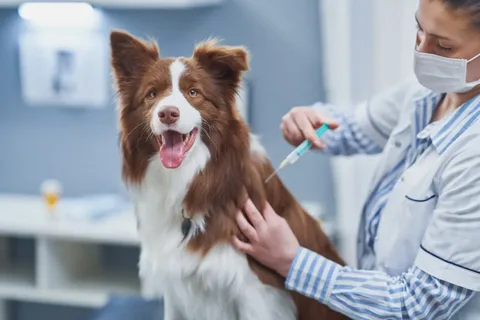
Caring for a pet requires more than routine feeding and exercise. Preventive healthcare forms the foundation of long-term wellness, especially when it comes to protecting animals from infectious diseases that can escalate quickly without early intervention. Vaccination plays a critical role in strengthening immunity and reducing the likelihood of severe illness.
Pet owners often look for clarity on recommended vaccines for pets, particularly when dealing with varying schedules, lifestyle factors, and regional health requirements. A structured understanding of vaccination helps ensure pets receive timely protection while aligning with veterinary standards and legal guidelines in places like Dubai.
Why Vaccination Matters in Pet Healthcare
Vaccination prepares the immune system to recognize and fight harmful pathogens before they cause serious illness. This preventive approach significantly lowers the risk of infections that can otherwise become life-threatening. It also reduces the need for extensive treatments, making it both medically and financially beneficial.
Another important aspect involves community protection. When a large number of pets are vaccinated, the spread of contagious diseases decreases across the population. This becomes especially relevant in urban environments where pets frequently interact in shared spaces or grooming facilities.
Core Vaccines Every Pet Should Receive
Core vaccines are considered essential regardless of a pet’s environment or lifestyle. For dogs, these typically include protection against distemper, parvovirus, adenovirus, and rabies, which are known for their severity and rapid transmission.
Cats require a different set of core vaccines, including feline panleukopenia, calicivirus, herpesvirus, and rabies. These illnesses can spread quickly and often result in serious complications, making early immunization crucial for both indoor and outdoor pets.
Non-Core Vaccines Based on Lifestyle
Not all vaccines are universally required, which is where non-core vaccinations come into consideration. These are recommended based on exposure risks, travel frequency, and interaction with other animals. For example, dogs that visit boarding facilities may need protection against kennel cough.
Certain additional vaccines include:
- Bordetella bronchiseptica for respiratory infections
- Leptospirosis for waterborne bacterial exposure
- Feline leukemia virus for cats with outdoor access
Veterinary consultation helps determine which of these are necessary based on individual risk factors.
Understanding Vaccination Schedules
Vaccination schedules are designed to provide immunity at the right time while ensuring long-term protection. Puppies and kittens typically begin their vaccinations as early as six to eight weeks of age, followed by booster doses at regular intervals.
Adult pets require periodic boosters depending on the vaccine type and health condition. Maintaining consistency in scheduling ensures that immunity does not weaken over time, which could leave pets vulnerable to preventable diseases.
Early-Life Immunization
Young animals are particularly vulnerable due to developing immune systems. Carefully timed vaccinations help build gradual protection while overcoming interference from maternal antibodies.
Booster Requirements
Booster doses are essential to maintain immunity. Without them, the effectiveness of earlier vaccinations can decline, increasing susceptibility to infections.
Age-Specific Adjustments
Vaccination plans may change as pets age. Senior animals often require tailored schedules based on their health condition and reduced immune response.
Missed Vaccination Protocols
If a vaccination is delayed, veterinarians can adjust the schedule without restarting the entire process. This ensures continuity without compromising protection.
Factors That Influence Vaccine Decisions
Vaccination planning is never identical for every pet. Age, breed, existing health conditions, and living environment all contribute to determining the appropriate course of action. A personalized approach ensures that pets receive only what is necessary while maintaining optimal protection.
Environmental exposure is another key factor. Pets in densely populated areas or those frequently traveling face higher risks, making broader vaccination coverage essential. Veterinary assessments help align these decisions with real-world conditions.
Safety and Side Effects of Vaccines
Modern veterinary vaccines are developed with strict safety standards, ensuring they are both effective and well-tolerated. Most pets experience little to no side effects, aside from mild symptoms such as temporary lethargy or slight swelling at the injection site.
Serious reactions are uncommon but should be addressed immediately. Monitoring pets after vaccination and following veterinary advice helps manage any unexpected responses effectively.
The Role of Preventive Health Packages
Preventive care packages combine vaccinations with routine health assessments, creating a structured approach to pet healthcare. These packages simplify scheduling and ensure pets receive consistent medical attention throughout the year.
Typical inclusions often cover:
- Full physical examination
- Core vaccinations such as DHLPP or Tricat
- Rabies vaccination
- Deworming and dental checks
- Municipality registration for compliance
Such bundled services promote comprehensive care while maintaining convenience for pet owners.
Maintaining Vaccination Records
Accurate record-keeping is essential for managing vaccination schedules and ensuring compliance with local regulations. Documentation helps track booster timelines and provides proof of immunization when required for travel or boarding.
Both digital and physical records should be updated consistently. Organized documentation supports continuity of care, especially when consulting multiple veterinary professionals over time.
Common Misconceptions About Pet Vaccines
Misconceptions often lead to inconsistent vaccination practices. Some owners assume indoor pets are not at risk, overlooking indirect exposure through human contact or contaminated surfaces. Others worry about over-vaccination despite structured protocols designed for safety.
Clear communication with veterinary professionals helps address these concerns. Evidence-based guidance ensures decisions are informed, practical, and aligned with the pet’s health needs.
Final Thoughts
Is a pet truly protected without a structured vaccination plan that evolves with its needs? Preventive care is not a one-time action but a continuous process that requires consistency, clinical guidance, and timely updates.
Pet owners seeking reliable care often choose PetPoint Veterinary Clinic, where vaccination services are supported by experienced veterinarians, personalized schedules, and modern facilities in Dubai Silicon Oasis. Their approach combines wellness exams, tailored vaccine plans, and comprehensive packages designed around each pet’s lifestyle and health status. For those looking for a veterinary vaccine clinic in Dubai, this clinic provides a balanced, well-structured solution focused on long-term pet well-being.